
Food insecurity isn't always visible.
It can affect working parents deciding between groceries and utility bills. It can affect older adults living on fixed incomes. It can affect children who rely on school meals during the week and families struggling to stretch their budgets through the end of the month.
Across Central Texas Food Bank’s (CTFB’s) 21-county service area, more than 612,000 neighbors experience food insecurity. That means nearly 1 in 5 people in our region may not always know where their next meal will come from.
While every person's experience is different, food insecurity is ultimately about uncertainty — uncertainty about whether there will be enough food today, tomorrow, or next week.
What Is Food Insecurity?
Food insecurity is the lack of consistent access to enough nutritious food for an active, healthy life. Food insecurity does not always mean someone goes an entire day without eating. More often, it means families must make difficult choices, such as:
- Skipping meals
- Purchasing less nutritious foods because they cost less
- Delaying other expenses to buy groceries
- Relying on community resources for support
Food insecurity can be temporary or long-term, and it affects people in every type of community.
Who Experiences Food Insecurity?
There is no single face of hunger. Food insecurity affects people of all ages, backgrounds, and life circumstances. In Central Texas:
- More than 176,000 children experience food insecurity.
- More than 101,000 older adults experience food insecurity.
Many households experiencing food insecurity include individuals who are working, attending school, caring for family members, living with disabilities, or navigating rising housing, healthcare, and transportation costs.
Why Do People Need Food Assistance?
Food insecurity is often connected to broader economic challenges. Families may seek food assistance because of:
- Rising grocery costs
- Housing expenses
- Medical bills
- Transportation costs
- Job loss or reduced work hours
- Unexpected emergencies
Even small financial disruptions can make it difficult for households to consistently afford enough food.
Hunger Looks Different Across Central Texas
CTFB serves urban, suburban, and rural communities across 21 counties.
While food insecurity exists throughout the region, the challenges can vary from one community to another.
In some areas, transportation can make it difficult to reach grocery stores or food distributions. In others, housing costs may leave families with less money available for food. Older adults, veterans, and households living with disabilities may face additional barriers.
Understanding these local differences helps ensure food and resources reach neighbors where they are needed most.
How the Central Texas Food Bank Responds
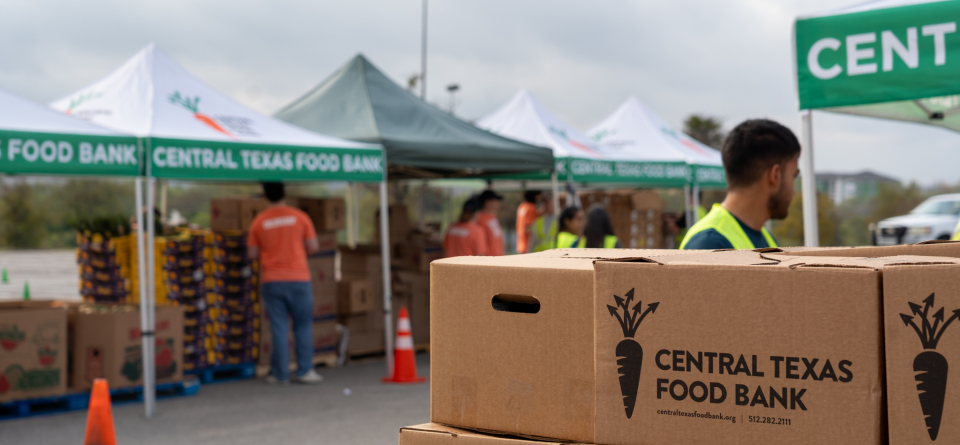
CTFB works with more than 250 nonprofit community partners, mobile food distributions, school pantry programs, and other community partners to help connect neighbors with nutritious food close to home.
Together, this network helps support families across the region through:
- Food pantry distributions
- Mobile food distributions
- School pantry programs
- Senior food programs
- Home delivery services
- Nutrition education and other supportive resources
Looking Beyond Hunger
Food is essential, but food insecurity is often connected to larger challenges affecting household stability. That is why CTFB works alongside community partners to support access to food while also helping connect neighbors with additional resources when available.
By strengthening food access today, we help create a stronger foundation for tomorrow.
Learn More or Find Help
If you are looking for food assistance, use our Find Food Now tool to locate food pantries, mobile food distributions, and meal programs near you.
If you'd like to support this work, there are many ways to get involved through volunteering, advocacy, food drives, and donations.
Together, we can help ensure every neighbor has access to nutritious food and the opportunity to thrive.